Description
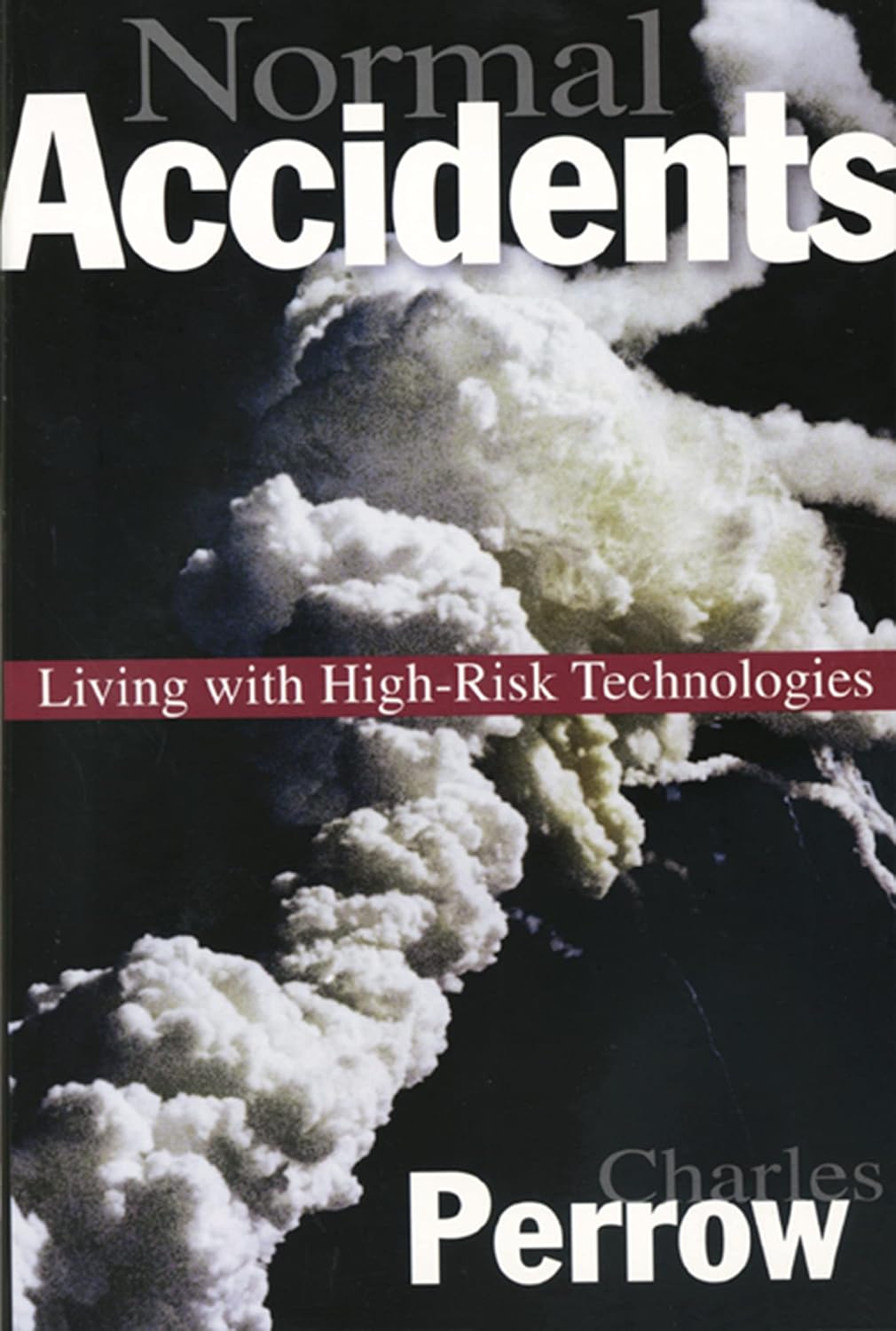
We are taught to look for a culprit behind every catastrophe. A corrupt official, a sleeping operator, or a technical glitch. But in Normal Accidents, sociologist Charles Perrow introduces a more chilling reality: in high-risk, “complexly coupled” systems, the accident isn’t an aberration. It is a built-in feature.
Perrow argues that our traditional safety measures — adding more warnings, more backups, and more fail-safes — actually increase the systemic complexity that leads to disaster. From the meltdown at Chernobyl to the Challenger explosion, Perrow demonstrates how “tight coupling” means that a tiny, localised error can ripple through a system faster than any human can intervene. It is the definitive study of why “more technology” is often the very thing that breaks us.
Normal Accidents provides the structural physics for Hanlon’s razor. We are naturally inclined to attribute massive disasters to malice or gross negligence, but Perrow proves that simple, mundane choices — made by competent people — can interact in ways that defy linear logic. It is the ultimate intellectual defence against conspiracy theories; why invent a shadow cabinet of villains when complexity is perfectly capable of destroying a nuclear reactor?
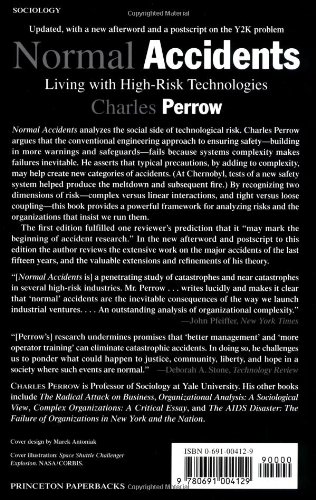
Whether analysing the Y2K scare or the structural risks of modern organisations, Perrow provides a powerful framework for understanding the invisible traps we build for ourselves. This is essential reading for anyone who wants to understand why the world feels so fragile, and why fixing it is never as simple as it looks.